Continuous Glucose Monitoring in People at High Risk of Diabetes and Dysglycaemia: Transforming Early Risk Detection and Personalised Care Our latest review explores how continuous glucose monitoring (CGM) could transform early detection and personalised management of diabetes risk Key Highlights: CGM reveals subtle patterns of dysglycaemia in high-risk individuals, including those with pre-symptomatic type 1 diabetes with positive islet autoantibodies, pre-type 2 diabetes or other metabolic dysfunction associated with changes in body composition, metabolic dysfunction-associated steatotic liver disease, gestational diabetes mellitus, solid organ transplantation, steroid treatment CGM-derived data are not yet validated for diabetes diagnosis, and challenges remain including limited evidence, lack of consensus on abnormal CGM values in people without diabetes, and uncertainty about optimal follow-up and management
#ChicagoIL #MedicalPainClinic #GlutathioneIV #AntioxidantTherapy #Detoxification
however, the most dramatic increases in overdose between 2011 and 2016 were seen for the opioids fentanyl and heroin and the stimulants cocaine and methamphetamine
A total of 142 patients with RET -altered MTC or RET fusionpositive differentiated thyroid cancer initiated the phase II dose of pralsetinib at 400 mg once daily
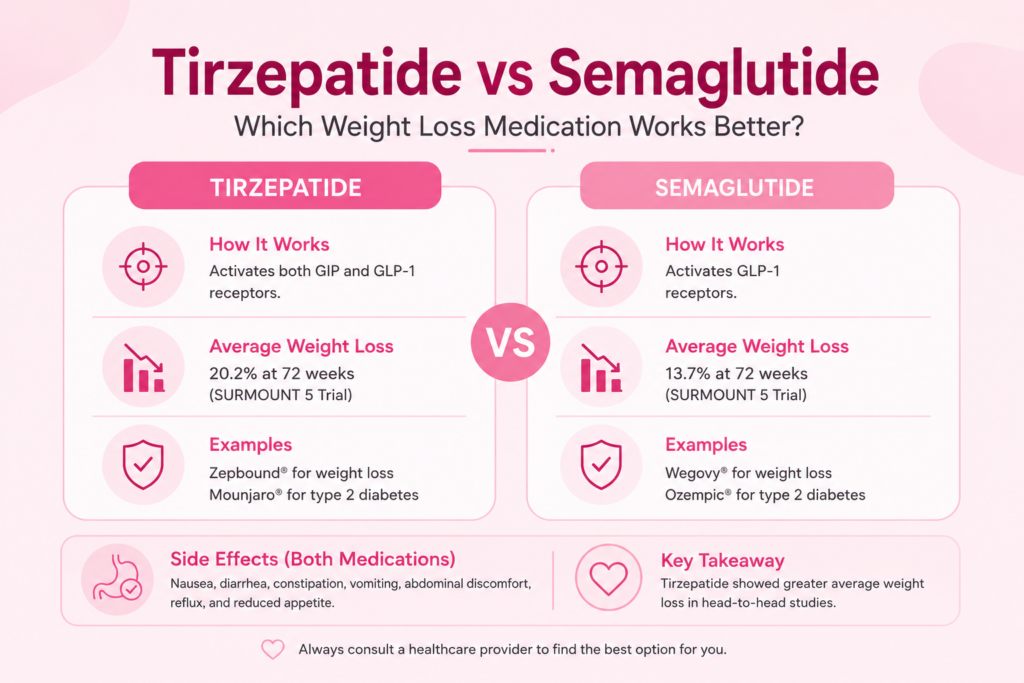
Choosing Semaglutide involves a commitment to regular monitoring appointments with our providers and a willingness to pursue consistent lifestyle modifications including healthy diet and increased physical activity




:max_bytes(150000):strip_icc()/Health-GettyImages-2153927815-0bf99cd73e2c46908d7fc0973739f6d0.jpg)