Tigano, M., Vargas, D
Modern life keeps us indoors, reducing the sun exposure needed to maintain healthy Vitamin D levels
Fades out hyperpigmentation
Alcoholic beverages of any kind (especially red wine) Certain fruits and vegetables, including avocado, dried fruits, eggplant, spinach, and tomatoes, and ketchup Fermented meat and dairy products, including aged cheeses, salami, sausages, and pepperoni Fermented foods, including kombucha, water kefir, kimchi, sauerkraut, pickles, miso, natto, soy sauce, tamari, coconut aminos, liquid aminos, and vinegars Fish and seafood, particularly tuna or mackerel, especially if left over, smoked, salted, or canned, or not gutted and frozen immediately after harvest 34 Tea (black, green, white, or yerba mate tea) Yeast products Low-Histamine Foods There are plenty of delicious foods to eat on a low-histamine diet

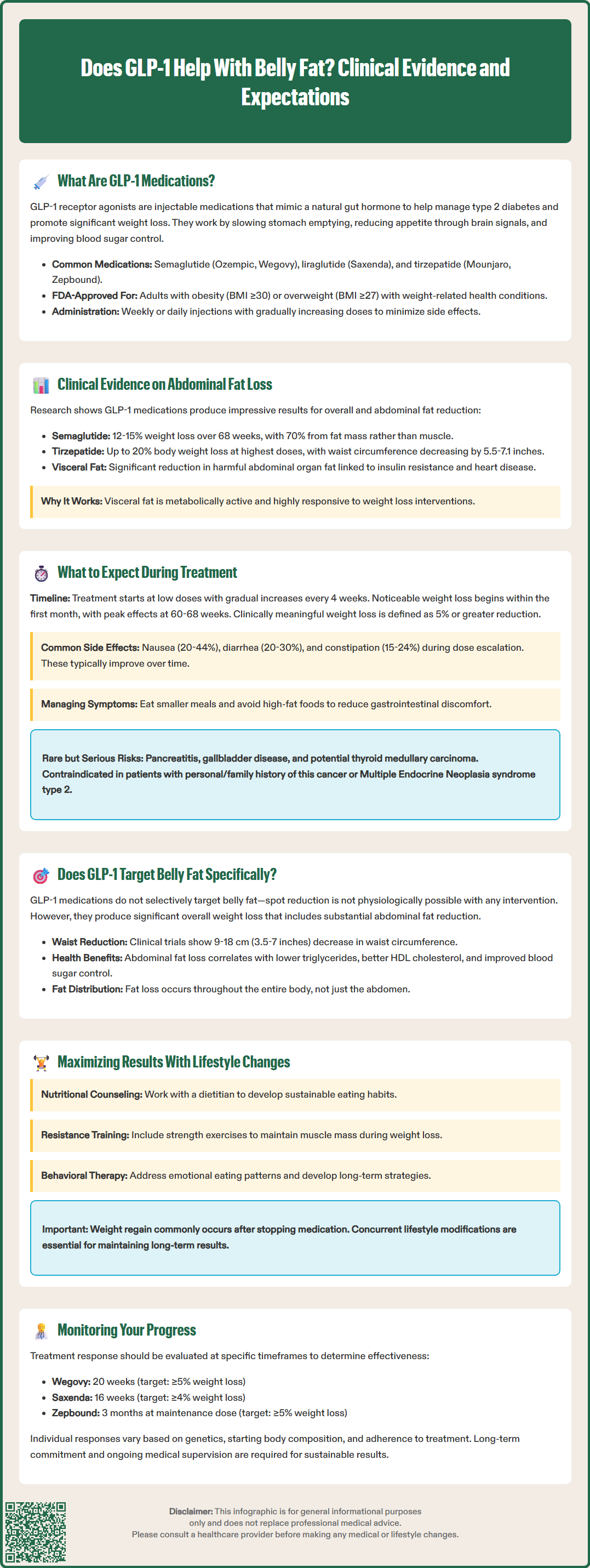
Patients undergoing tirzepatide therapy commonly experience: Improved blood pressure: reductions in systolic and diastolic blood pressure have been observed across tirzepatide clinical trials Better cholesterol profiles: reductions in LDL and triglycerides, with improvements in HDL Improved blood glucose regulation: tirzepatide significantly improves insulin sensitivity and reduces fasting glucose, even in patients without diabetes Reduction in waist circumference: visceral fat reduction, which is directly associated with reduced cardiovascular and metabolic risk Preservation of lean muscle mass: unlike traditional caloric restriction, which often results in 2530% of weight loss coming from muscle, tirzepatide promotes preferential fat loss Potential hormonal benefits: emerging evidence suggests that fat mass reduction lowers aromatase activity, which may support healthier testosterone-to-estrogen balance For patients managing multiple metabolic conditions simultaneously, GLP-1/GIP weight loss therapy represents an opportunity to address root causes, rather than individual symptoms, through a single medically supervised intervention